Wood Pressed vs Refined: The Coconut Oil Battle That Could Change Your Health
- spreadkeralanatura
- Nov 3, 2025
- 3 min read
In every Indian kitchen, coconut oil has a story, a story of aroma, purity, and tradition. For generations, it has nourished our bodies, skin, and culture. Yet in recent years, another version of this oil, the refined kind has quietly taken over supermarket shelves, promising convenience and long shelf life.
But here’s the truth: not all coconut oils are created equal. One is crafted by nature, the other by machines. One nourishes; the other merely fills the gap.
So, which one truly deserves a place in your kitchen and skincare routine? Let’s uncover the truth behind wood pressed coconut oil and refined coconut oil- and why this age-old oil pressing method could be the health game-changer your body needs.
What Is Wood Pressed Coconut Oil?
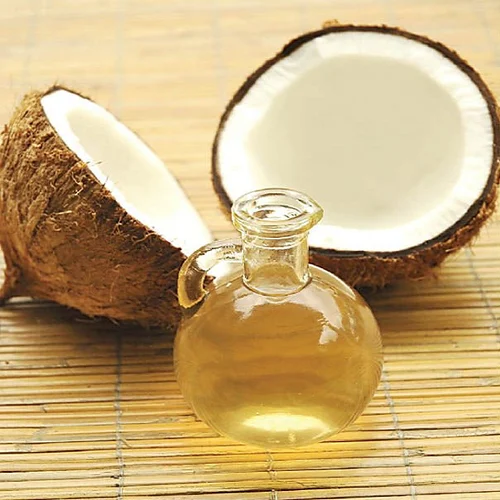
Wood pressed coconut oil is made in the traditional way. Fresh, dried coconuts (copra) are slowly crushed in a wooden press at low speeds and minimal heat. This gentle process keeps the oil’s natural structure intact, preserving vitamins, antioxidants, and essential fatty acids that are often lost in modern refining.
The result? A pure, golden oil with a rich aroma, silky texture, and all the health-boosting goodness nature intended.
Why It’s Special
Nutrient-Rich: Retains vital nutrients like Vitamin E, polyphenols, and healthy fats.
Chemical-Free: No solvents, bleaches, or artificial deodorizers.
Natural Flavor: Keeps the authentic coconut taste and fragrance.
Traditional & Sustainable: A process that respects both your body and the planet.
What Happens in Refined Coconut Oil?
Refined coconut oil takes a very different path. Industrial processing involves high heat, chemical solvents (like hexane), and bleaching to create an oil that looks clear, smells neutral, and lasts longer on the shelf.
While this might sound convenient, the trade-off is huge- most of the nutrients are destroyed. The final oil is stable and odorless but stripped of its natural antioxidants and healthy compounds.
Quick Facts
Neutral Taste & Odor: Suitable if you don’t want coconut flavor in your cooking.
High Smoke Point: Ideal for deep frying or high-heat cooking.
Nutrient Loss: High heat and chemicals destroy essential vitamins and antioxidants.
Possible Residues: Chemical refining may leave harmful traces behind.
A Head-to-Head Comparison
Feature | Wood Pressed (Unrefined) | Refined |
Extraction | Low-heat, wooden press | High-heat, chemical refining |
Nutrients | Retains natural vitamins, antioxidants, and fatty acids | Most nutrients lost |
Flavor & Aroma | Natural coconut fragrance | Odorless and bland |
Health Impact | Supports immunity, heart, and digestion | May contain chemical residues |
Smoke Point | Moderate (~350°F / 175°C) | High (~450°F / 232°C) |
Shelf Life | Natural, shorter | Extended through processing |
Verdict: If health is your priority, wood pressed coconut oil wins hands down.
Health Benefits of Wood Pressed Coconut Oil
Wood pressed coconut oil is much more than a cooking ingredient, it’s a daily dose of wellness for your body, mind, and skin.
Boosts Brain Function
Rich in Medium Chain Triglycerides (MCTs), it provides a clean energy source for the brain, supporting focus and clarity.
Promotes Heart Health
Its balanced fatty acid profile helps raise good cholesterol (HDL) while maintaining healthy lipid levels.
Strengthens Immunity
Contains Lauric acid, a natural antimicrobial compound that helps fight harmful bacteria, fungi, and viruses.
Improves Digestion
The light texture aids metabolism, supports gut health, and enhances nutrient absorption.
Nourishes Skin & Hair
Wood pressed coconut oil is a natural moisturizer, known for its hydration, anti-aging, and healing properties.
Coconut oil for skin: it reduces dryness and pigmentation.
Coconut oil for hair: it strengthens roots, prevents breakage, and adds shine.
Why Refined Oils Became Popular
Refined oils became common mainly due to industrial convenience, they’re cheaper to produce, have a longer shelf life, and remain stable at high temperatures.
However, this convenience came at a cost:
Nutrients lost during refining.
Chemical residues from solvents and bleaches.
Inflammatory effects due to altered fat structures.
The awareness of these issues is leading many people to return to traditional, wood pressed oils for daily use.
Why People Are Switching Back to Wood Pressed Oils
The shift toward clean eating, traditional diets, and natural wellness has revived interest in wood pressed oils. People now understand that:
Cold-pressed oils contain healthy fats that support heart and brain health.
They’re free from chemicals and preservatives.
They enhance the flavor of Indian dishes naturally.
They align with Ayurvedic principles for balanced living.
It’s not just about taste, it’s about trusting what goes into your body.
The Real Takeaway
The difference between refined and wood pressed coconut oil isn’t just about taste or texture, it’s about health, purity, and tradition.
Refined oil might win in convenience, but wood pressed oil wins in nourishment. It’s the oil that supports your heart, boosts your immunity, nourishes your skin, and connects you with the wisdom of generations before you.
If you’re choosing between the two, ask yourself: Do you want something that lasts longer on the shelf, or something that keeps you healthier for longer?
By switching to wood pressed coconut oil, you’re not just making a lifestyle change you’re embracing wellness, authenticity, and sustainability.
Every spoonful is a reminder that true health comes from staying close to nature.


Comments