Why Incha Scrubber (Nikunjam) Is Making a Comeback in Sustainable Living
- spreadkeralanatura
- Jan 12
- 2 min read
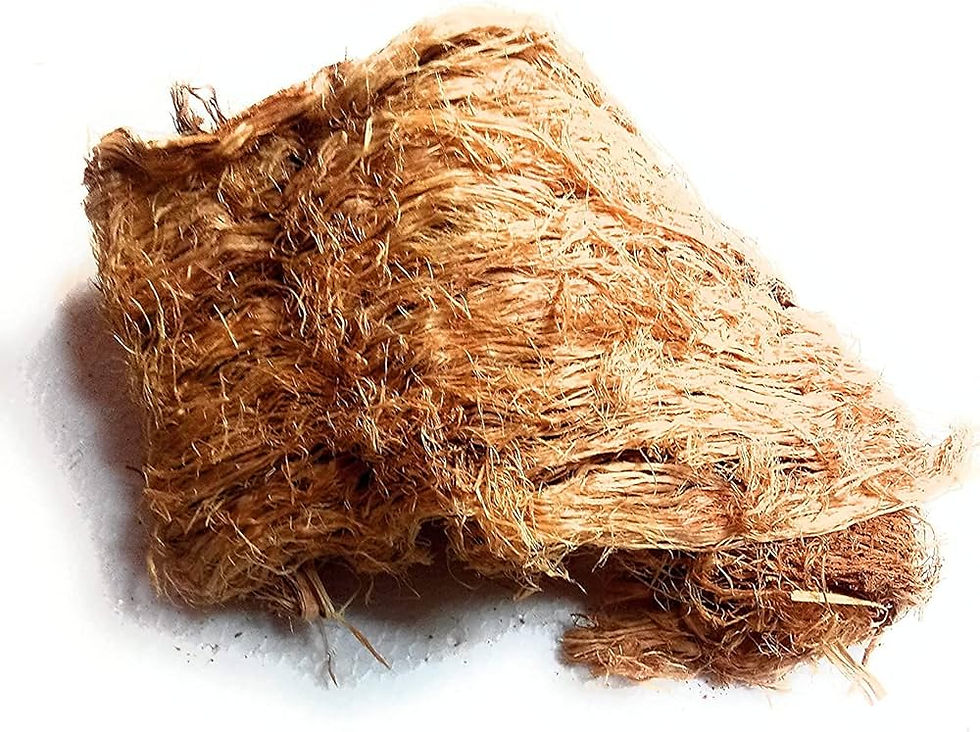
As people move toward eco-friendly lifestyles and conscious consumption, traditional personal care practices are being rediscovered. One such practice is the use of the Incha scrubber, also known as Nikunjam or Enja. Once a common household item, this natural scrubber is now gaining renewed interest as a sustainable and plastic-free alternative to modern bathing tools.
Traditional Bathing Practices Rooted in Nature
In traditional households, bathing was considered a daily ritual focused on cleansing both the body and mind. Natural materials such as plant fibers, herbs, and handmade tools were commonly used instead of synthetic products.
Traditional bathing tools like the Incha scrubber were valued for their ability to cleanse the skin gently while improving circulation. These practices emphasized balance, simplicity, and harmony with nature.
Zero-Waste and Plastic-Free Alternatives
Modern bath accessories are often made from plastic and synthetic materials that contribute to environmental pollution. Over time, these products break down into microplastics, affecting water sources and ecosystems.
The Incha scrubber stands out as a plastic free bath scrubber that is biodegradable and compostable. Its natural origin ensures that it returns safely to the earth after use, making it an ideal choice for zero-waste living.
Cultural Significance of Enja / Nikunjam
Enja or Nikunjam holds deep cultural importance in many traditional communities. It represents a way of life that relied on locally available resources and respected nature’s balance.
Using traditional bathing tools was not only about hygiene but also about preserving ancestral knowledge and sustainable practices passed down through generations. The renewed interest in Nikunjam reflects a growing appreciation for cultural heritage and natural wellness.
Supporting Local and Traditional Products
Choosing traditional products like the Incha scrubber helps support local communities and traditional craftsmanship. These products are often made using natural methods without industrial processing, reducing carbon footprints and environmental impact.
By supporting such alternatives, consumers contribute to the preservation of traditional skills and eco-friendly livelihoods.
Sustainable Personal Care Choices for Modern Living
Incorporating the Incha scrubber into daily routines is a simple step toward sustainable personal care. As a natural scrubber, it offers gentle exfoliation without harmful chemicals or plastics.
Choosing traditional bathing tools over synthetic options helps reduce waste, protect skin health, and promote environmentally responsible living.
Conclusion
The comeback of the Incha scrubber highlights a growing shift toward sustainable and traditional lifestyles. As a plastic free bath scrubber, it combines effective skincare with environmental responsibility. Embracing tools like Nikunjam allows modern consumers to reconnect with nature, support traditional practices, and make mindful choices for a healthier planet.


Comments