Orange Pekoe Tea : What Makes It Special and How to Brew It Perfectly
- spreadkeralanatura
- Apr 6
- 2 min read
Orange Pekoe tea is one of the most recognized terms in the world of black tea. Despite its name, it does not refer to an orange flavor. Instead, it signifies a grading system for the size and quality of tea leaves, particularly those from regions like India, Sri Lanka, and China. Understanding the grading, origin, flavor, and brewing methods of orange pekoe tea can elevate your tea-drinking experience.
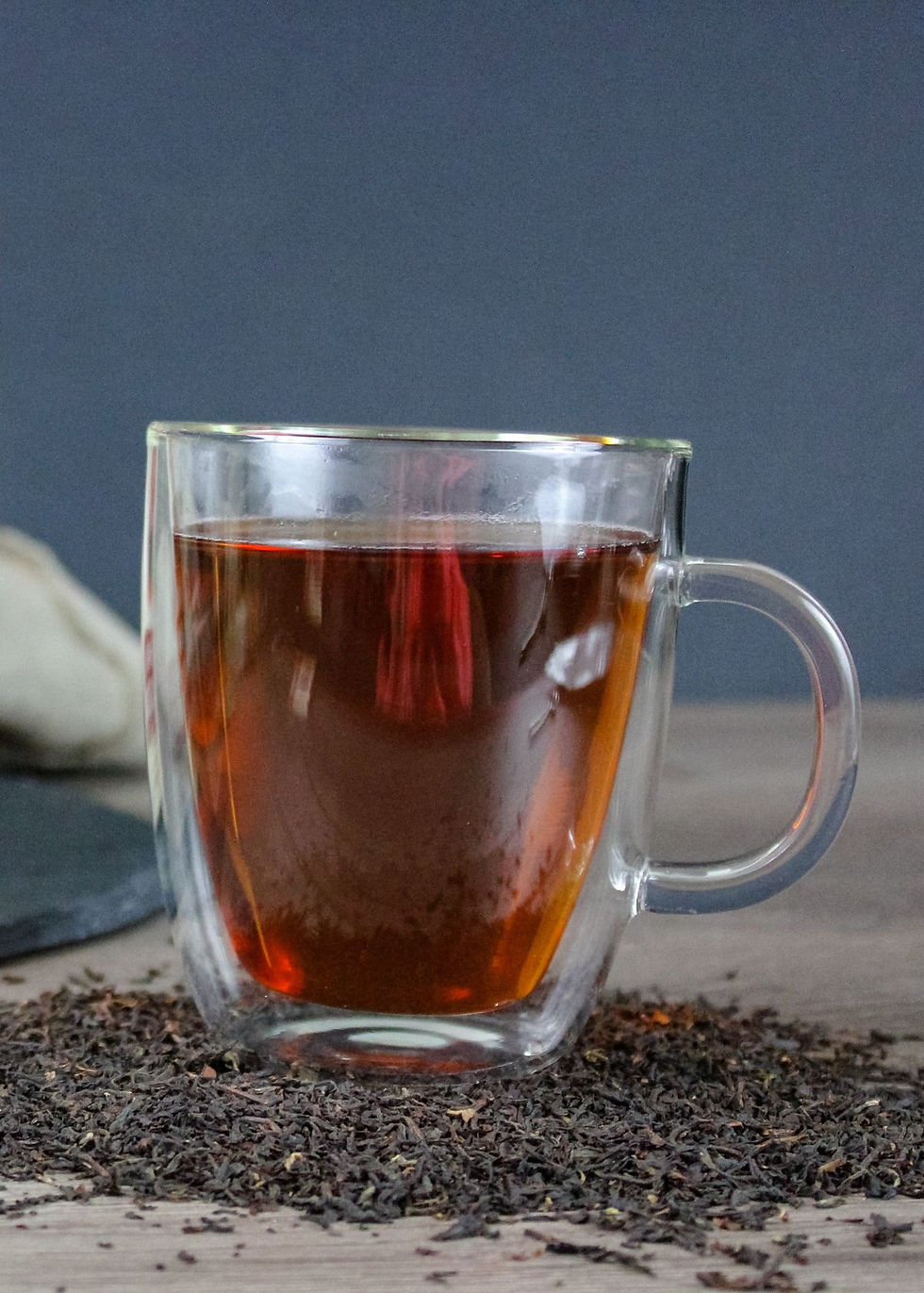
What Is Orange Pekoe Tea?
Definition: Orange pekoe (OP) is a grade of black tea that indicates whole, unbroken leaves. It is commonly used in fine teas and is valued for its flavor and aroma.
Misconceptions: Many people mistakenly believe orange pekoe tea is flavored with orange. The "orange" in the name actually honors the Dutch royal House of Orange.
Leaf Quality: The term highlights the size and quality of tea leaves, distinguishing them from fannings or dust grades used in tea bags.
The Orange Pekoe Grading System
The grading system for orange pekoe tea is important for tea connoisseurs:
Whole Leaf Grades:
OP (Orange Pekoe) – Whole leaves of standard size.
BOP (Broken Orange Pekoe) – Broken leaves with a stronger brew.
FOP (Flowery Orange Pekoe) – Tips and buds with a delicate flavor.
GFOP (Golden Flowery Orange Pekoe) – Tips that are golden in color, offering a refined taste.
Specialty Grades: Some teas are graded further, such as TGFOP (Tippy Golden Flowery Orange Pekoe) and SFTGFOP (Special Finest Tippy Golden Flowery Orange Pekoe). These indicate premium quality and careful plucking.
Origin of Orange Pekoe Tea
Primary Growing Regions:
India – Assam, Darjeeling, Nilgiri
Sri Lanka – Ceylon teas
Kenya – Known for bright and brisk black teas
Climate Influence: The flavor and quality of orange pekoe tea depend on climate, soil, and altitude, with cooler regions producing more aromatic teas.
Flavor Profile of Orange Pekoe Tea
Aroma: Fresh, floral, and slightly brisk, depending on the origin.
Taste:
Medium-bodied with a smooth finish
Mildly astringent with subtle sweetness
Notes can range from malty (Assam) to floral (Darjeeling)
Brewing Notes: Whole leaf teas retain their natural flavor better than broken or dust grades, making OP ideal for loose-leaf brewing.
How to Brew Orange Pekoe Tea Perfectly
Brewing orange pekoe tea correctly ensures maximum flavor and aroma:
Water Temperature: Use water at 90–95°C (194–203°F) for black teas. Avoid boiling water directly on delicate leaves.
Tea Quantity: Use 1 teaspoon of tea leaves per cup (approx. 200 ml).
Steeping Time:
OP: 3–5 minutes
FOP or GFOP: 2–4 minutes to preserve delicate flavors
Serving Suggestions: Can be enjoyed plain, with milk, or with a slice of lemon. Avoid over-steeping to prevent bitterness.
Loose Leaf vs Tea Bags: Loose leaf orange pekoe yields richer flavor and better aroma than pre-packaged tea bags.
Conclusion
Orange pekoe tea represents quality, tradition, and careful cultivation. By understanding its grading system, origin, flavor profile, and proper brewing techniques, tea lovers can enjoy a superior cup every time. Whether you prefer a brisk Assam or a delicate Darjeeling, orange pekoe tea offers versatility and sophistication that makes it a favorite worldwide.


Comments