Ceylon Cinnamon Sticks vs Cassia: How to Choose the Best Quality
- spreadkeralanatura
- Feb 28
- 4 min read
Cinnamon is one of the most widely traded spices in the world, but not all cinnamon sticks are the same. When shopping for cinnamon, you will commonly encounter two main varieties: Ceylon cinnamon and Cassia cinnamon. While both come from the bark of trees in the Cinnamomum family, they differ significantly in origin, flavor, appearance, safety profile, and overall quality.
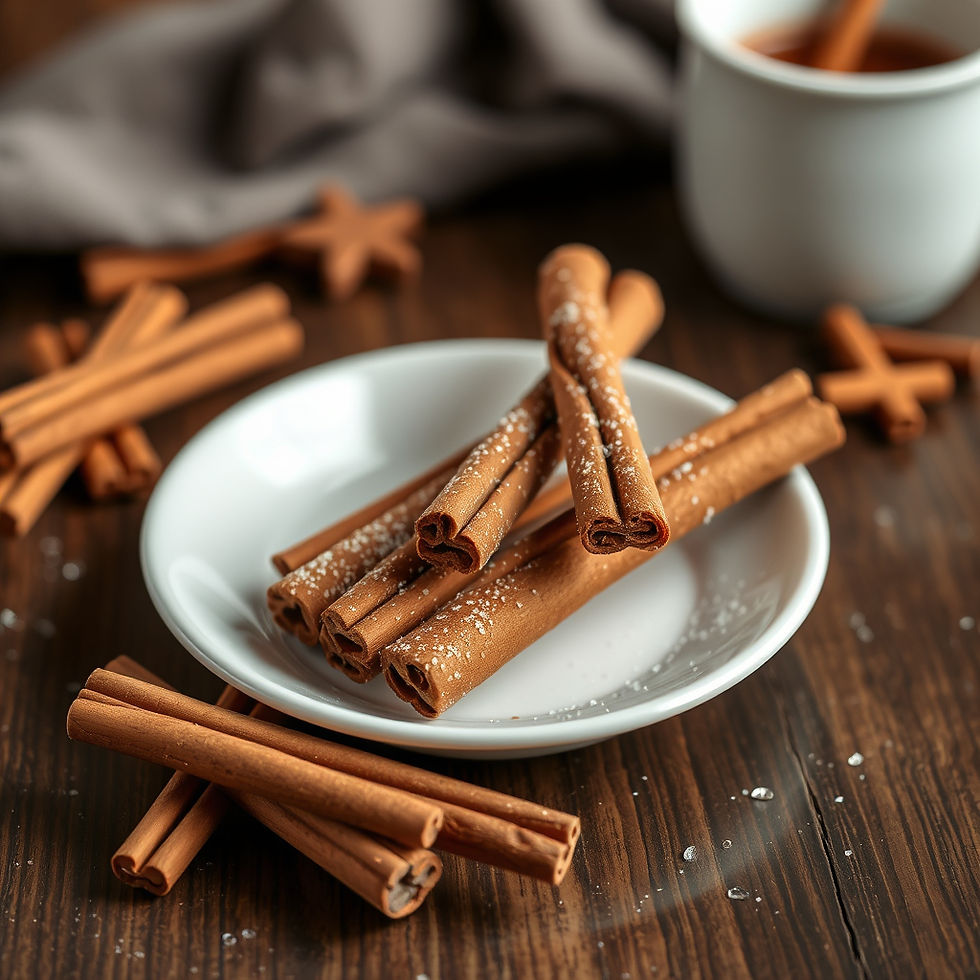
Understanding the differences between Ceylon and Cassia cinnamon sticks is essential if you want to choose premium-quality cinnamon for cooking, beverages, or daily wellness use.
What Is Ceylon Cinnamon
Ceylon cinnamon is often referred to as true cinnamon. It comes from the tree species Cinnamomum verum and is primarily grown in Sri Lanka and parts of South India.
Key characteristics of Ceylon cinnamon sticks:
• Thin, delicate layers of bark rolled into soft quills
• Light tan to golden brown color
• Mild, subtly sweet flavor
• Fragile texture that can be easily broken by hand
• Low coumarin content
Ceylon cinnamon is considered higher quality and is often preferred for regular consumption due to its smoother taste and safer chemical profile.
What Is Cassia Cinnamon
Cassia cinnamon is derived from Cinnamomum cassia and related species. It is more commonly available and generally less expensive than Ceylon cinnamon.
Key characteristics of Cassia cinnamon sticks:
• Thick, hard bark with a single curled layer
• Dark reddish-brown color
• Strong, spicy, and bold flavor
• Tough texture that is difficult to break
• Higher coumarin content
Cassia cinnamon dominates global markets due to its lower cost and stronger flavor, which works well in commercial baking and spice blends.
Differences in Appearance and Taste
One of the easiest ways to distinguish between Ceylon and Cassia cinnamon sticks is by observing their physical structure.
Appearance comparison:
Ceylon cinnamon sticks:
• Multiple thin layers rolled tightly
• Soft and papery texture
• Light brown shade
• Looks similar to a rolled cigar
Cassia cinnamon sticks:
• Single thick bark layer
• Hard and woody texture
• Dark brown or reddish color
• Hollow inside with thicker walls
Taste comparison:
Ceylon cinnamon:
• Mild and slightly sweet
• Delicate warmth
• Balanced aroma
Cassia cinnamon:
• Strong and pungent
• Sharper heat
• More intense aroma
For subtle flavor in desserts and beverages, Ceylon cinnamon is often preferred. For bold flavor in savory dishes, Cassia cinnamon is commonly used.
Coumarin Content and Safety
Coumarin is a naturally occurring compound found in cinnamon. While small amounts are generally safe, excessive intake over time may pose health concerns, particularly for liver health.
Coumarin levels:
• Ceylon cinnamon contains very low levels of coumarin
• Cassia cinnamon contains significantly higher amounts
Why this matters:
• Regular high consumption of Cassia cinnamon may exceed the recommended coumarin intake
• Ceylon cinnamon is considered safer for daily use
• Individuals using cinnamon for wellness purposes should be mindful of intake
If you plan to consume cinnamon sticks frequently in tea, infused water, or health routines, Ceylon cinnamon is generally the safer choice.
How to Identify Pure Cinnamon Sticks
When buying cinnamon sticks, knowing how to identify authentic quality can prevent confusion and ensure you get premium spice.
Identification tips:
• Examine the layers inside the stick
• Check the color for light golden brown in Ceylon
• Feel the texture for softness and fragility
• Break a small piece to observe the aroma
• Avoid sticks with mold or excessive dryness
Additional signs of quality:
• Strong natural aroma without artificial scent
• Clean, uniform quills
• No visible contamination or debris
• Proper labeling of origin
If the packaging does not specify the variety, it is often Cassia cinnamon by default in many markets.
Buying Tips and Storage Advice
Choosing high-quality cinnamon sticks requires careful attention to sourcing and storage.
Buying tips:
• Look for clearly labeled Ceylon cinnamon if you prefer true cinnamon
• Choose whole cinnamon sticks instead of pre-ground powder for longer shelf life
• Buy from trusted suppliers or reputable brands
• Check packaging for harvest origin and quality certification
• Avoid overly cheap products claiming to be premium
Storage advice:
• Store cinnamon sticks in an airtight container
• Keep away from direct sunlight and moisture
• Store in a cool, dry place
• Avoid refrigeration to prevent condensation
Proper storage helps preserve essential oils and maintain flavor for up to two to three years.
Conclusion
Choosing between Ceylon and Cassia cinnamon sticks depends on your intended use, flavor preference, and health considerations. Ceylon cinnamon offers a milder taste, delicate texture, and lower coumarin content, making it ideal for daily wellness and subtle culinary applications. Cassia cinnamon provides a stronger, more intense flavor and is commonly used in commercial cooking and baking.
By understanding the differences in appearance, taste, safety, and quality, you can confidently select the best cinnamon sticks for your needs. Investing in high-quality cinnamon ensures better flavor, improved safety for regular consumption, and a more authentic culinary experience.


Comments