Cardamom: The Queen of Spices and the Story Behind Its Magic
- spreadkeralanatura
- Nov 21, 2025
- 3 min read
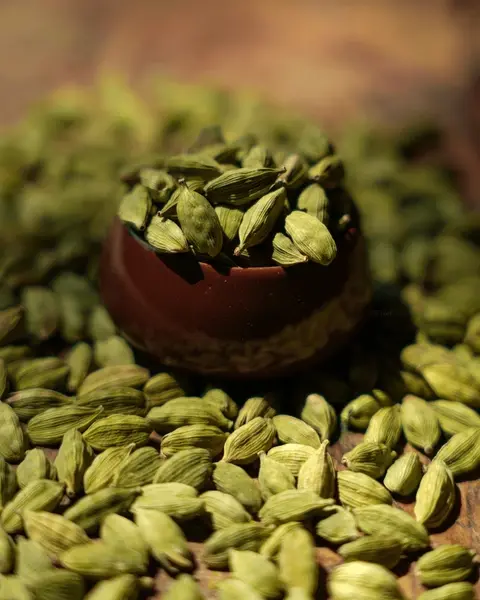
Few spices have travelled through history with as much grace, mystique, and global admiration as cardamom. Known as the Queen of Spices, cardamom is far more than a fragrant pod -it is a cultural symbol, a culinary treasure, a medicinal powerhouse, and a spice steeped in thousands of years of stories.
From ancient Ayurvedic manuscripts to Scandinavian bakeries, from Middle Eastern coffee pots to South Indian spice gardens, cardamom has woven itself into the world’s flavours and traditions. Today, it remains one of the most cherished and one of the most expensive spices in the world.
A Spice Born in the Western Ghats
Cardamom (Elettaria cardamomum) is believed to have originated in the lush forests of the Western Ghats of South India(a biodiversity hotspot with the perfect combination of shade, humidity, and rainfall.)
For more than 4,000 years, cardamom has been cultivated and treasured by civilizations:
Ancient Greeks used it in perfumes and oils.
Egyptians chewed cardamom seeds for dental hygiene.
Romans loved its fragrance in food and wine.
Indian Ayurveda celebrated it as a digestive and therapeutic spice.
Even today, plantation regions like Idukki, Wayanad, and Coorg maintain a deep emotional and cultural connection to cardamom cultivation.
The Precious Craft of Cardamom Processing
What makes cardamom so expensive is not just its aromait’s the care, precision, and patience involved in producing each pod.
1. Hand Harvesting
Cardamom is delicate. Each pod is plucked by hand at the right stage; neither too unripe nor too mature.
2. Washing & Cleaning
Some growers clean the pods in natural washing solutions to retain colour, while others gently rinse them to remove dust and stalks.
3. Drying (The Most Critical Step)
Traditionally, cardamom was dried in wood-fired chambers. Today, electric dryers ensure:
45–50°C heat
14–18 hours of controlled drying
Frequent stirring for uniform colour
Drying determines the final green colour, aroma, and essential oil retention.
4. Grading
Once dried, the pods are sorted by:
Size
Green colour grade
Oil content
Freshness
5. Packaging
Cardamom must be protected from:
Light
Moisture
Heat
Because even a small exposure can fade its colour and weaken its flavour.This is why premium brands choose airtight packs.
A Spice of Stories: Cardamom in Tea and Tradition
India’s love affair with cardamom tea (Elaichi Chai) is legendary.
Cardamom also appears in:
Sulaimani (Kerala’s spiced black tea)
Kahwa (Kashmiri green tea with saffron and spices)
Masala chai across India
Arabic gahwa, a symbol of generosity
Scandinavian bakeries also adore cardamom—try Swedish cardamom buns (Kardemummabullar) and you’ll understand why.
Health Benefits Backed by Tradition
Cardamom is not just flavour - it’s wellness in a pod.
1. Digestive Wellness
Reduces gas and bloating
Stimulates enzymes
Relieves acidity
Traditionally used after meals
2. Oral Health
Chewing cardamom seeds works like natural mouth freshener Ayurveda used it long before modern chewing gums added cardamom flavour.
3. Heart Health
Rich in potassium and antioxidants, it may help:
Lower blood pressure
Reduce LDL cholesterol
Improve circulation
4. Respiratory Relief
Aromatic oils soothe the throat and help ease congestion.
5. Stress & Mood Support
Just the scent of cardamom has calming effects—this is why it’s used in herbal teas and aromatherapy.
Conclusion: A Pod Full of Heritage, Health, and Happiness
Cardamom is more than a spice it is a story of landscapes, traditions, craftsmanship, and wellbeing. Whether you add it to chai, biryani, desserts, or herbal blends, each pod carries centuries of culture and care.
In a world full of artificial flavours, cardamom remains one of the few gifts from nature that needs nothing more than shade, rain, and mindful hands to become extraordinary.
A tiny pod with a world of aroma.


Comments