Bamboo Rice Benefits for Diabetes, Digestion, and Overall Health
- spreadkeralanatura
- Feb 10
- 2 min read
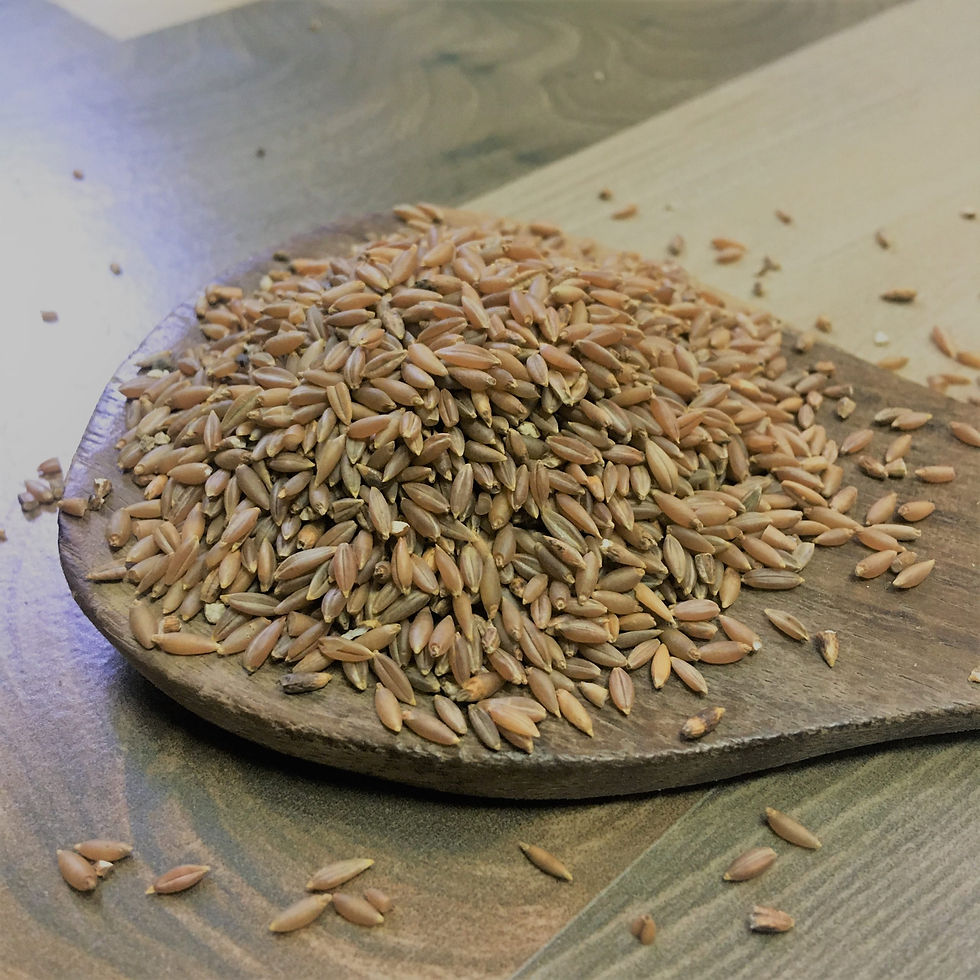
Bamboo rice is an ancient grain harvested from bamboo plants during rare flowering cycles. Traditionally consumed by tribal communities in India, bamboo rice is now gaining attention as a nutritious, low glycemic alternative to regular rice. Its unique nutritional profile makes it especially valuable for people managing diabetes, digestive issues, and overall metabolic health.
What Is Bamboo Rice and How Is It Harvested
Bamboo rice refers to the edible seeds produced by bamboo plants when they flower, a phenomenon that occurs once every 40 to 60 years depending on the species. These seeds resemble small grains of rice and are collected from forest floors after natural shedding.
Traditional Harvesting Process
Bamboo plants flower naturally without chemical inputs
Seeds are hand-collected by forest communities
Naturally sun-dried and cleaned
Minimal processing preserves nutrients
Because bamboo rice is not cultivated annually, it remains a rare and highly valued grain in traditional diets.
Nutritional Value of Bamboo Rice
Bamboo rice is nutritionally dense and superior to many polished rice varieties.
Key Nutritional Components
High dietary fiber content
Complex carbohydrates for slow energy release
Moderate plant-based protein
Rich in magnesium, potassium, and iron
Naturally low in fat
Gluten-free
This balanced nutrient composition supports stable blood sugar levels and digestive health.
Bamboo Rice Benefits for Diabetes Control
One of the most researched benefits of bamboo rice is its suitability for people with diabetes.
How Bamboo Rice Supports Blood Sugar Management
Low glycemic index helps prevent sugar spikes
High fiber slows glucose absorption
Complex carbs provide sustained energy
Supports insulin sensitivity when consumed regularly
Why It Is Better Than White Rice
White rice is rapidly digested and raises blood sugar
Bamboo rice digests slowly and keeps glucose levels stable
Reduces post-meal fatigue and hunger
For diabetic individuals, bamboo rice can be a healthier staple when eaten in controlled portions.
Digestive and Gut Health Benefits
Bamboo rice supports a healthy digestive system due to its fiber-rich structure.
Digestive Advantages
Improves bowel movement regularity
Supports healthy gut bacteria
Reduces constipation and bloating
Enhances nutrient absorption
Its natural roughage helps cleanse the digestive tract and maintain gut balance.
Comparison With Regular Rice Varieties
Bamboo Rice vs White Rice
Higher fiber content
Lower glycemic response
More minerals retained
Slower digestion
Bamboo Rice vs Brown Rice
Comparable fiber levels
Less bitterness in taste
Easier digestion for sensitive stomachs
Traditionally processed without polishing
This makes bamboo rice a functional alternative for long-term dietary use.
Who Should Include Bamboo Rice in Their Diet
Bamboo rice is suitable for a wide range of dietary needs.
Recommended For
People with diabetes or prediabetes
Individuals with digestive issues
Those seeking weight management support
Gluten-sensitive individuals
Health-conscious families
People following traditional or natural diets
Consumption Tips
Always soak bamboo rice before cooking
Consume in moderation due to dense nutrition
Combine with vegetables and protein for balanced meals
Why Bamboo Rice Is Gaining Modern Health Relevance
Bamboo rice bridges ancient wisdom and modern nutrition science. Its low glycemic nature, high fiber content, and mineral richness make it ideal for today’s lifestyle-related health concerns. As awareness grows around traditional grains, bamboo rice is emerging as a smart, sustainable choice for long-term wellness.


Comments